Speakers

Speakers

Plenary Talks

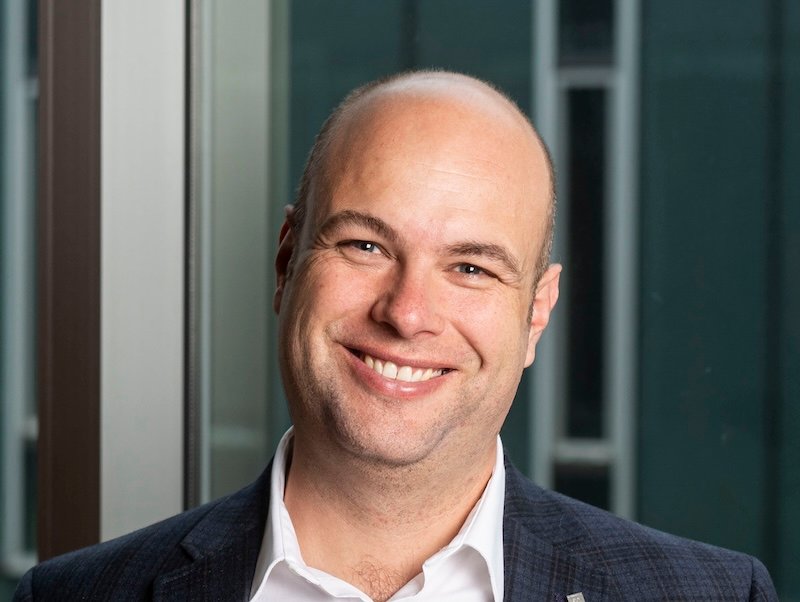
Prof. Dr. Hermano Igo Krebs

MIT, USA

Hermano Igo Krebs

We propose a working model in which human motor control is represented through dynamic primitives—specifically submovements, oscillatory components, and mechanical impedance profiles. These primitives are hypothesized to constitute a unifying framework for the control of both highly backdrivable and non-backdrivable robotic platforms. Applications of this framework are examined in two domains: rehabilitation robotics, where safe and adaptive interaction with patients of reduced physical capacity is paramount, and construction machinery, where intrinsic hardware constraints limit responsiveness to external perturbations.

Sessions by Dr. Igo Krebs

Day 2 (April 28th, provisional)
TBD

Revisiting Conjectures in Human–Robot Interaction and Movement Primitives in Backdrivable and Non-Backdrivable Systems

  • Speaker Biography
    Hermano Igo Krebs is a Principal Research Scientist and Lecturer in the Department of Mechanical Engineering at MIT. He holds a Ph.D. in Mechanical Engineering from MIT, alongside a master's and bachelor's degree in Naval Engineering from EPUSP. Working at MIT since 1997, he also holds positions at Fujita Health University and Weill Cornell, and co-founded Interactive Motion Technologies. He is a global authority in medical robotics and neurorehabilitation, recognized for clinical research and the MIT-MANUS system. His scientific production comprises over 250 papers, 30,000 citations, an h-index over 75, and more than 15 international patents. An IEEE Fellow, he has mentored over 40 researchers and led major projects funded by agencies like the NIH, NSF, and VA.
Dr. Paulo Debenest

Hibot, Japan

Paulo Debenest

Infrastructure keeps our world moving. However, like any other asset, it ages. Civil and industrial infrastructure requires periodic inspection to prevent failure (preventive maintenance) and also to predict until when the asset can be used (predictive maintenance). Due to the physical nature of such infrastructure, and because of the large number of assets involved, it is not easy to perform inspection in an efficient, safe and reliable manner. In fact, every year many lives are lost when maintaining infrastructure in hazardous locations, such as high-voltage transmission lines, petro-chemical plants, power plants and others.

This presentation will describe the journey taken by the author, from the academic field (at the Tokyo Institute of Technology) to actual applications of robotics in hazardous environments in Asia, Europe and North America. Some of the lessons learned when covering the gap between Academia and Industry will be presented. Some examples of one-off missions in disaster scenarios will also be described to highlight the problems that must be overcome when bringing robotics technology to outdoor environments.

In addition, three robotic systems developed by the author will be presented in detail: a self-balanced manipulator for use in confined spaces, a robot for inspection of boiler tubes, and a platform for maintenance in high-voltage transmission lines. For each robot, there will be a description of use cases and examples of how robotics can be used to make jobs safer, to improve reliability of inspection and maintenance, and even to save lives.


Sessions by Dr. Debenest

Day 3 (April 29th, provisional)
TBD

Service Robots for Infrastructure Inspection – from Academia to Hazardous Environments

  • Speaker Biography
    Paulo César Debenest is the Co-founder, Director, and Chief Technology Officer (CTO) of HiBot Corporation in Japan. He holds a Ph.D. and M.Sc. in Aerospace Mechanical Engineering from Tokyo Tech, alongside a bachelor's degree in Mechatronics Engineering from EPUSP. Since 2004, he has led HiBot Corp, a Tokyo Tech spin-off dedicated to advanced robotics for critical infrastructure inspection and maintenance. He is a pioneer in field robotics, snake-like articulated systems, and robots for hazardous environments, including the Fukushima Nuclear Plant. His scientific track record features over 60 publications, more than 20 international patents, and prestigious honors like Japan's Robot of the Year Award. He leads multidisciplinary R&D teams and manages major industrial innovation projects funded by global corporations and Japanese agencies like NEDO.

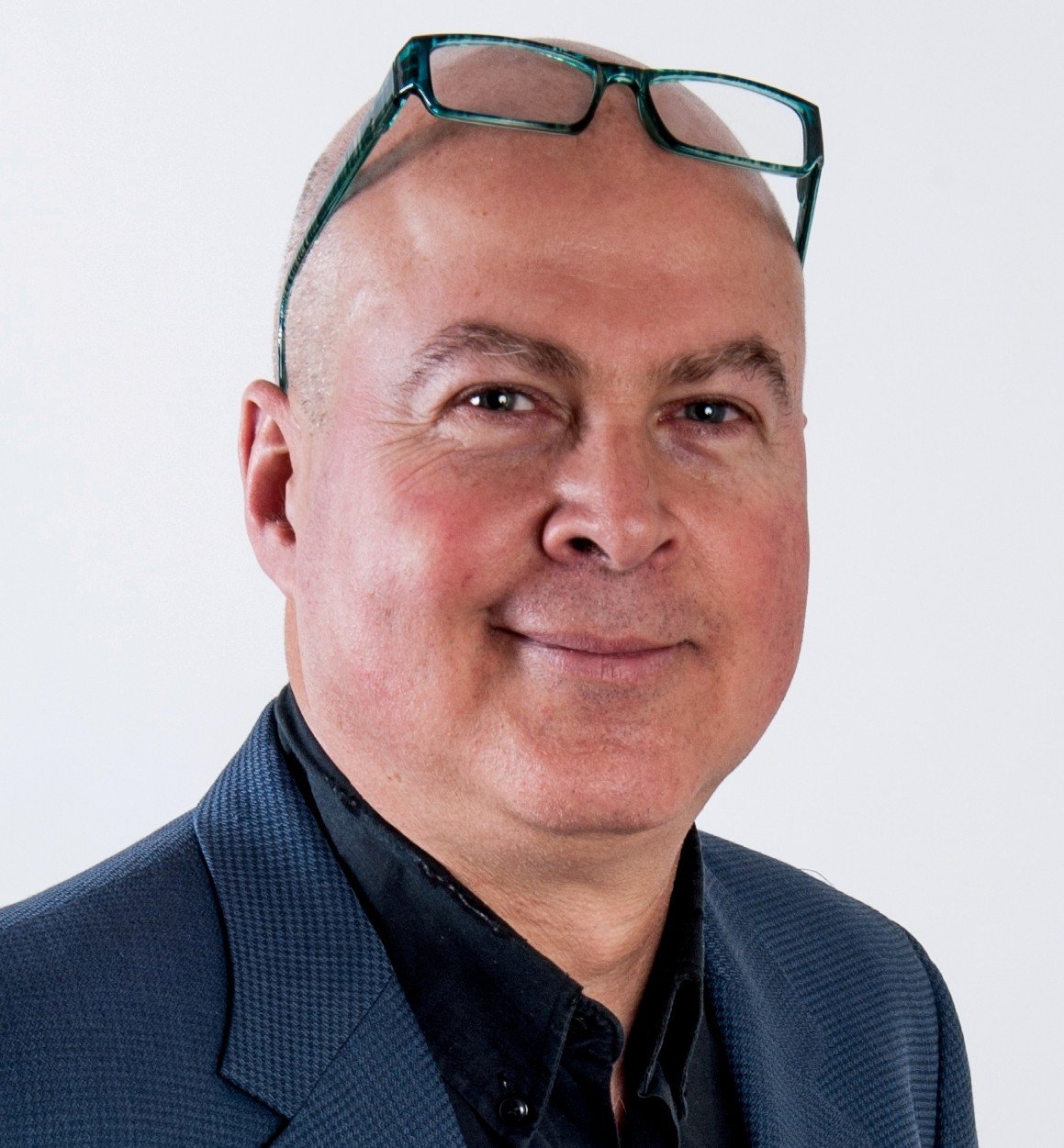
Prof. Dr. Sebastian Scherer

Carnegie Mellon University, USA

Sebastian Scherer

Autonomous robots have demonstrated enormous potential in fielded environments; however, to be broadly accepted, they need to demonstrate safe and resilient performance across a wide range of varying circumstances, from degraded environmental conditions to different terrains and adverse obstacles. To achieve scalability, these techniques need to be universal. The unconstrained nature of robots in fielded environments makes hand-designing reliable systems impossible and the definition of requirements difficult. The keynote talk will address a new research area - resilient robotics - that addresses these challenges.

Sessions by Prof. Dr. Scherer

Day 4 (April 30th, provisional)
TBD

Autonomous Resilient Robots (provisional)

  • Speaker Biography
    Sebastian Scherer is an Associate Research Professor and Director of the AirLab at Carnegie Mellon University's Robotics Institute. He earned his Ph.D., master's, and bachelor's degrees in Robotics and Computer Science from Carnegie Mellon University. At CMU since 2010, he co-led Team Explorer in the DARPA Subterranean Challenge and specializes in GPS-denied navigation and autonomous aviation. He is a renowned authority in aerial robotics and 3D perception, pioneering works on real-time mapping, visual place recognition, and extreme environment SLAM. His academic output includes over 270 publications, 15,000 citations, an h-index over 55, and multiple patents in autonomous flight and obstacle avoidance. He has advised over 30 graduate students and postdocs while leading multi-million dollar research projects funded by DARPA, ONR, NSF, and NASA.